

Vulnerability is not winning or losing; it’s having the courage to show up and be seen when we have no control over the outcome.
—Brené Brown
We’ve been sold a dangerous lie: that strength means never showing weakness, never admitting uncertainty, never letting anyone see us struggle. So we armor up. We perform confidence we don’t feel. We hide our fears behind carefully curated images of competence and control. And we call this strength.
But here’s what actually happens when we live behind walls: we become isolated, exhausted, and increasingly disconnected from both ourselves and others. The energy required to maintain the facade drains us. The loneliness of never being truly known hollows us out. And ironically, the armor that was supposed to protect us becomes the very thing that makes us fragile.
Real strength looks different. It’s the colleague who admits “I don’t know” in a meeting instead of bluffing. It’s the parent who apologizes to their child for losing their temper. It’s the friend who says “I’m struggling” instead of “I’m fine” for the hundredth time. These moments feel terrifying because they are. Vulnerability means showing up without guarantees, letting people see us as we actually are, and trusting that we’ll survive whatever comes next.
Consider what happens in relationships when one person finally drops the mask. They share a fear, admit a mistake, or confess they’re not as together as they seem. In that moment, something shifts. The other person often feels permission to be real too. Suddenly, there’s actual connection instead of two people performing for each other. The relationship deepens not despite the vulnerability, but because of it.
This doesn’t mean oversharing with everyone or having no boundaries. Vulnerability is about authenticity, not indiscriminate disclosure. It’s about being honest with yourself first, then selectively sharing that honesty with people who’ve earned your trust.
The courage required for vulnerability is immense. It means accepting that you might be rejected, misunderstood, or hurt. It means giving up control over how others perceive you. It means standing in uncertainty without the comfort of pretense.
But here’s what vulnerability gives back: freedom. The freedom of not having to remember which version of yourself you presented to whom. The freedom of being known and accepted as you actually are. The freedom of genuine connection instead of carefully managed transactions.
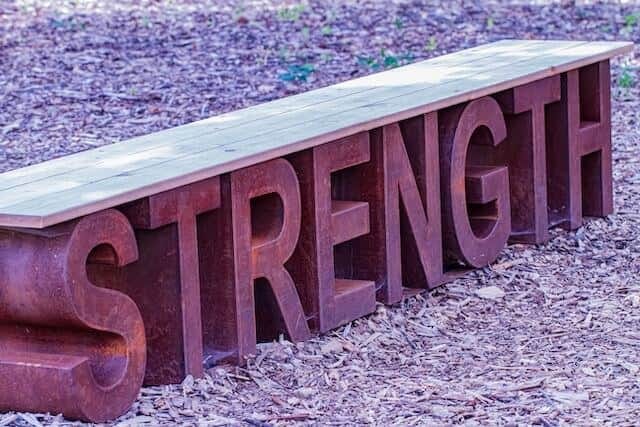
Strength isn’t the absence of vulnerability. Strength is being vulnerable anyway—showing up fully, even when it’s scary, even when you can’t control the outcome. That’s the kind of courage that actually changes things.
This piece flows directly from the heart of my book, Humanity Rising: The Power of Love, written as a gentle reminder of what happens when we choose to meet the world with open hearts and deeper human connection.
I'm charmed by the balance in your essay, Dennis: encouraging us to step out but not allow ourselves to be stepped on.
That Zen-ish moment comes with living the other way only to feel how it doesn't work.
As an introvert's introvert the notion of being a friend to have friends is close to poking oneself in the eye with a sharp stick. And yet, unless you reach out & say, would you like to join me for coffee one morning?, you'll be drinking it all alone.
So, yes, I did do the very thing that makes me want to shy away .... & it was fun & there will be more play dates & that is being brave not just for ourselves but for other person who was waiting to be asked.
When I worked as a charter captain, there were a few situations where I needed to be the rock for the passengers - in a 75-mile-an-hour squall (right here on the Bay), offshore in three days of hurricane, a fire in the engine room.
The flip side is that I did not indulge that persona except when the shit hit the fan, so they knew who I was and why, at that point, I was.
Having access to an acknowledged role is, I think, very different from the corrosion of invulnerability. As 'Captain Mac,' I was not invulnerable, I was simply able.
"What we won't reveal owns us."
Love you, brother